Ipswich Bay Advisors and Naples Bay Wealth Management Home
Client Login
Ipswich Bay Advisors and Naples Bay Wealth Management Home
  • Home
  • Home
  • Our Locations 
    • Our Locations
  • About Us 
    • Our Mission
    • Our Pledge
    • Our Team
    • Ed Slott Master Elite IRA Experts
    • Research-Based Investing
    • Our Firm In the News
  • Our Services 
    • Retirement Planning
    • Tax Planning
    • Investment Management
    • Financial Planning
  • 401k Business Services 
    • Advisory and Management Services
    • Employee Education
    • Plan Sponsors
    • Participants
  • Resources 
    • Monthly Webinars
    • The Latest Ed Slott IRA Q&A
    • Tax and IRA Related Newsletters
    • LPL Research
    • Videos
    • Your Personal Retirement Machine
Client Login
Money

The History of Currency

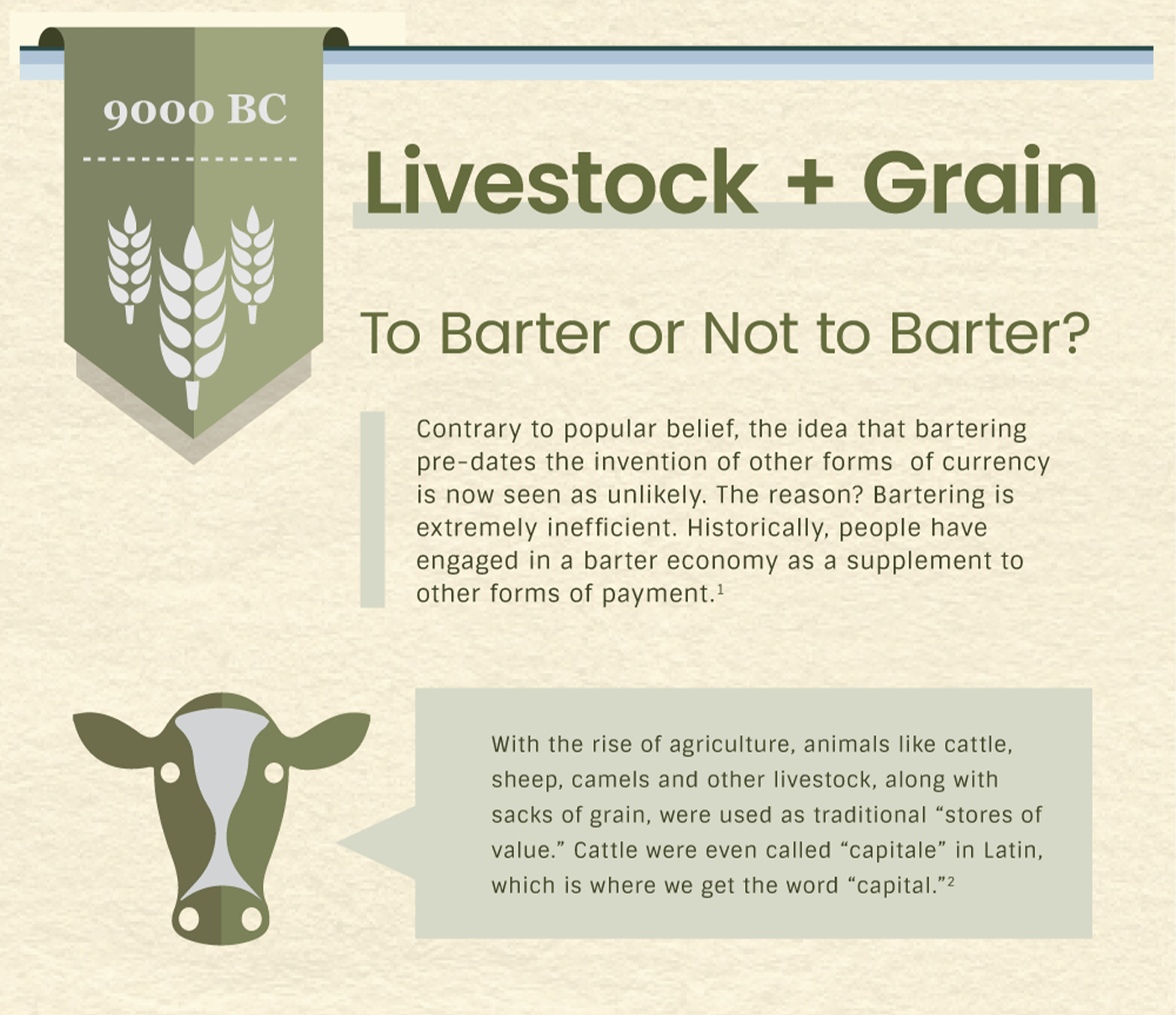
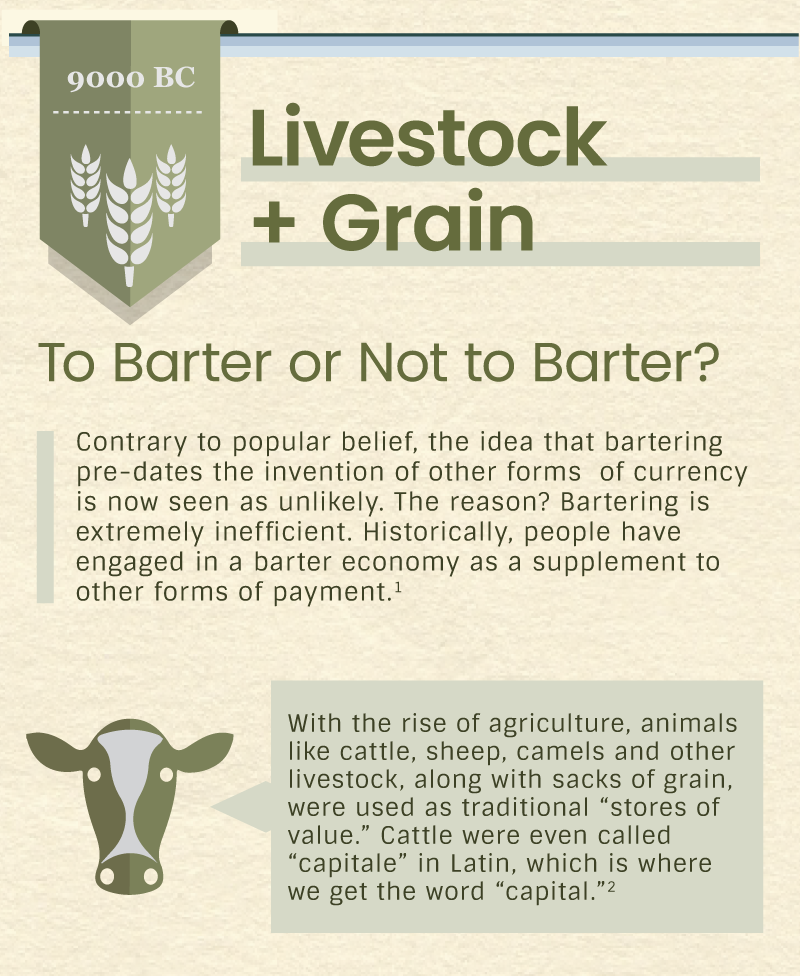
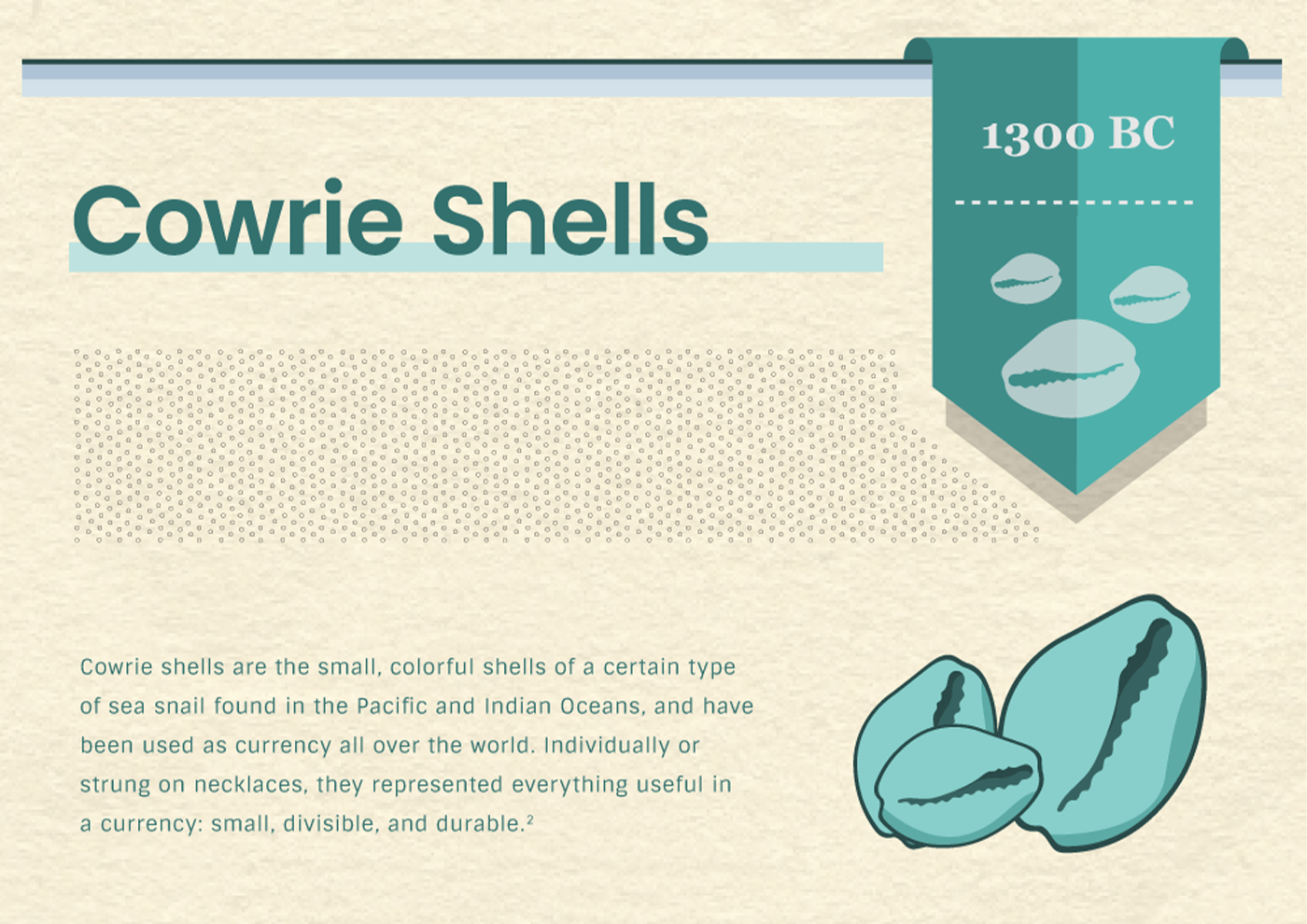
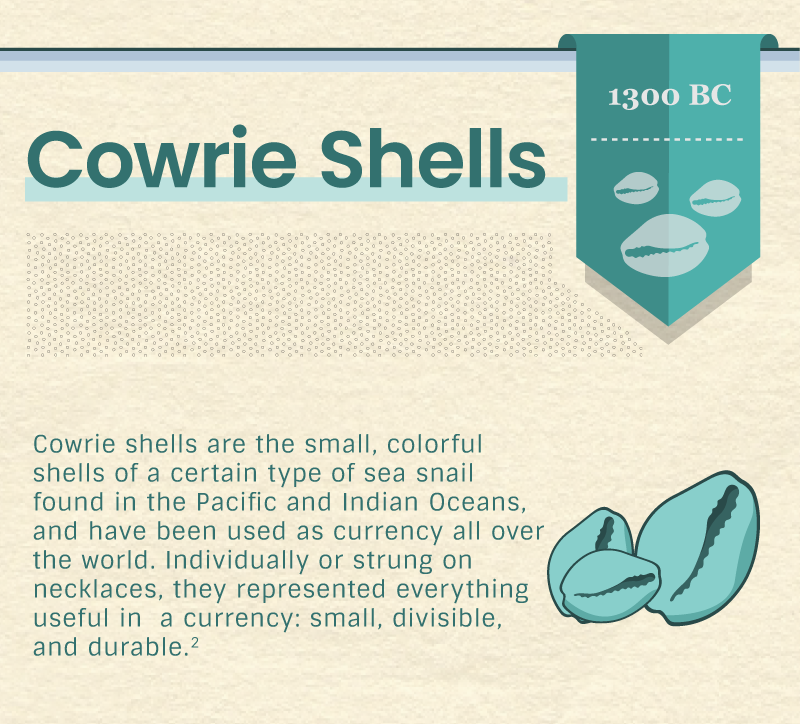
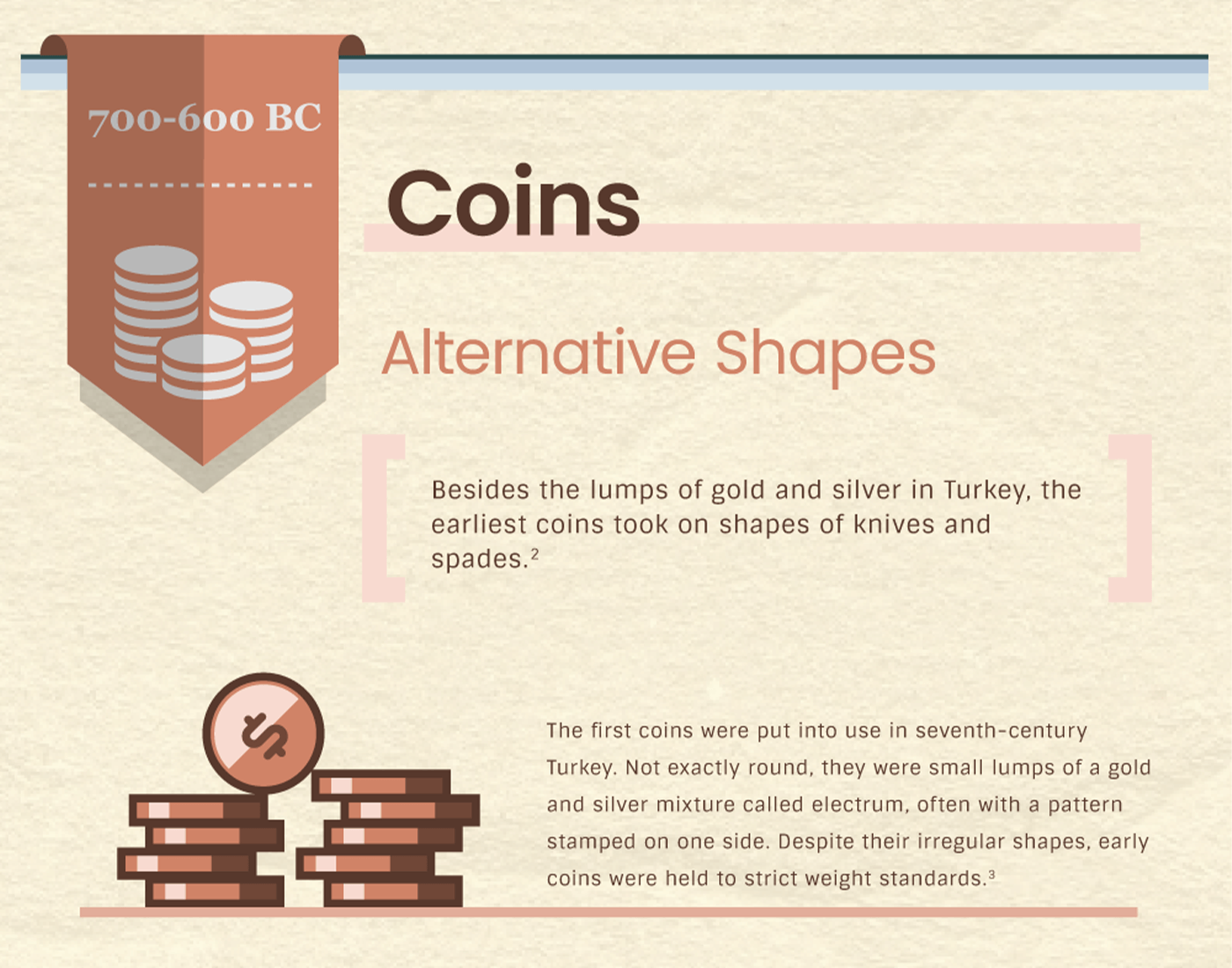
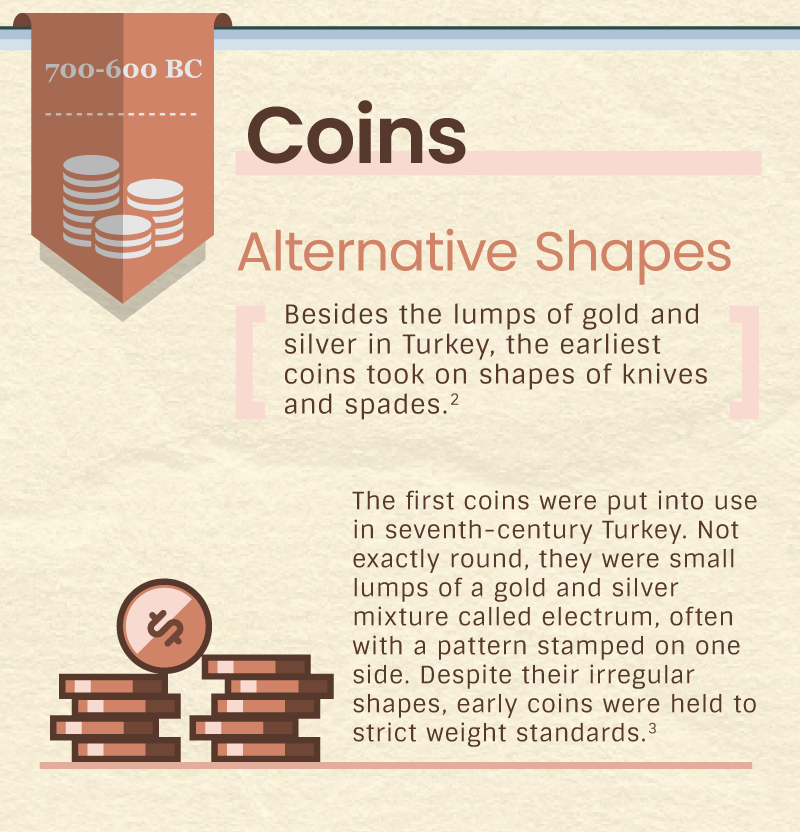
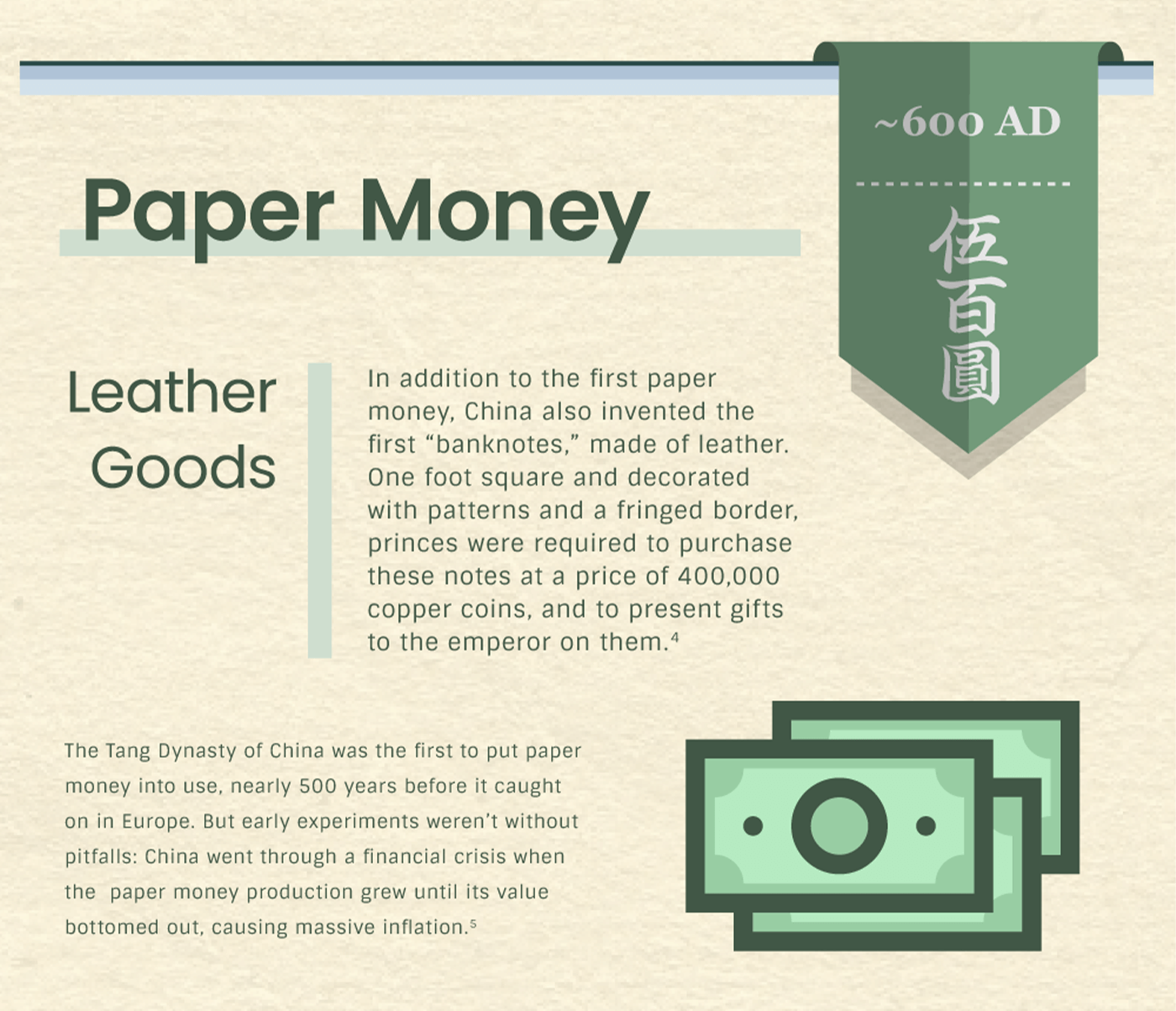
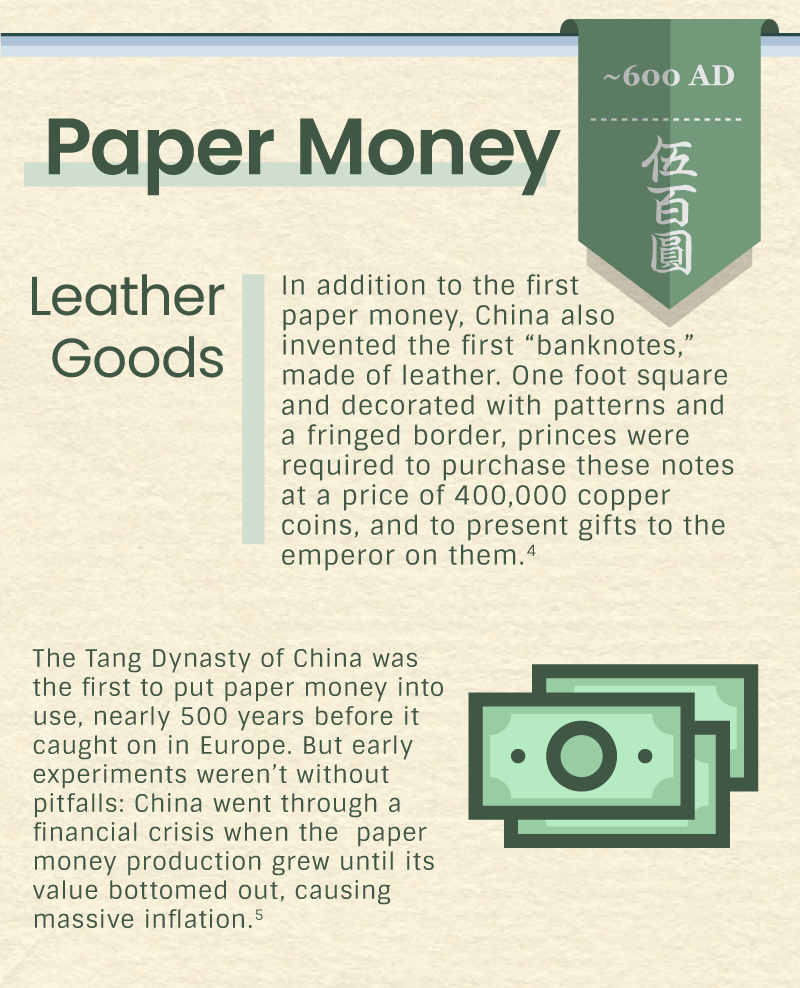
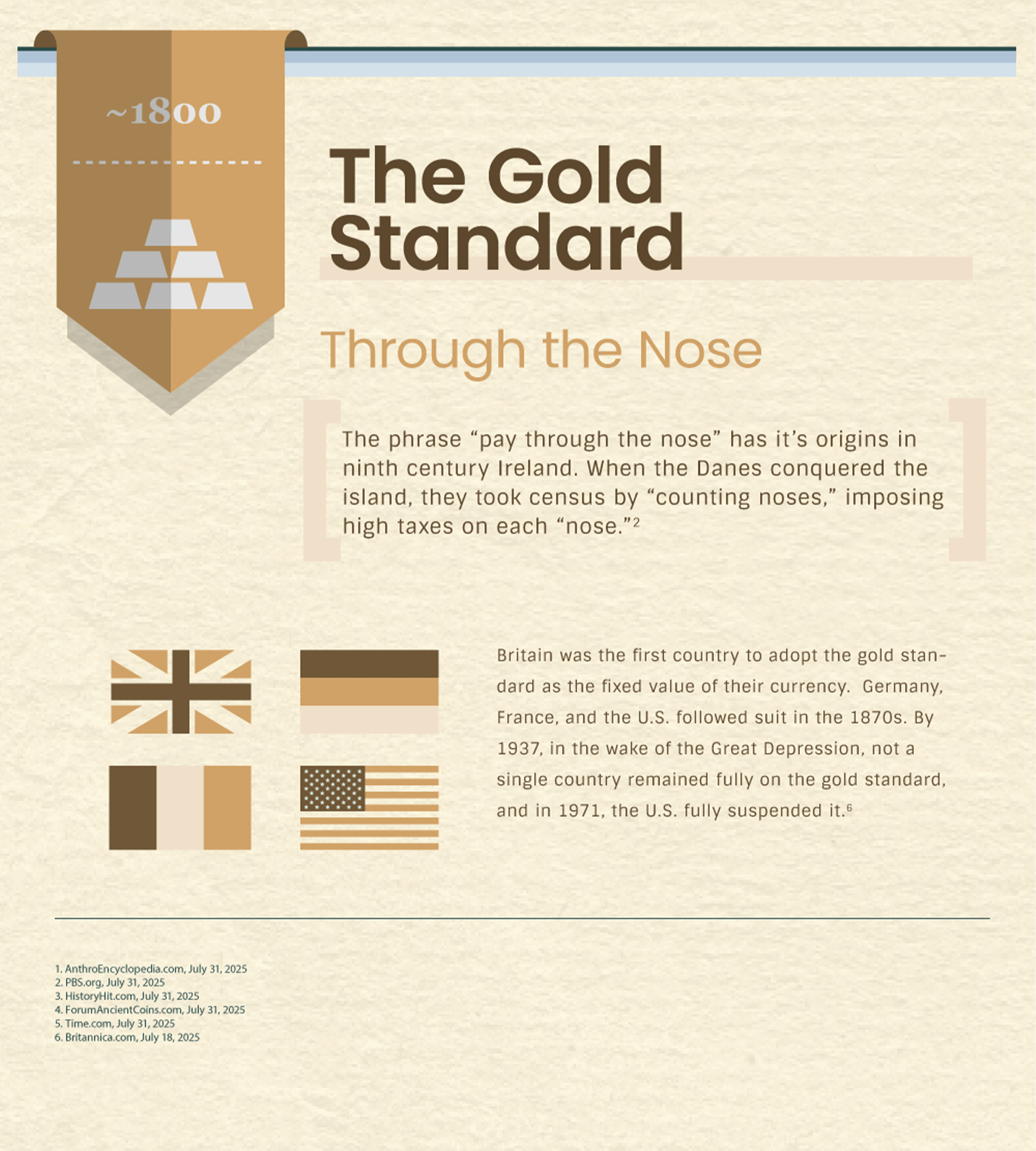
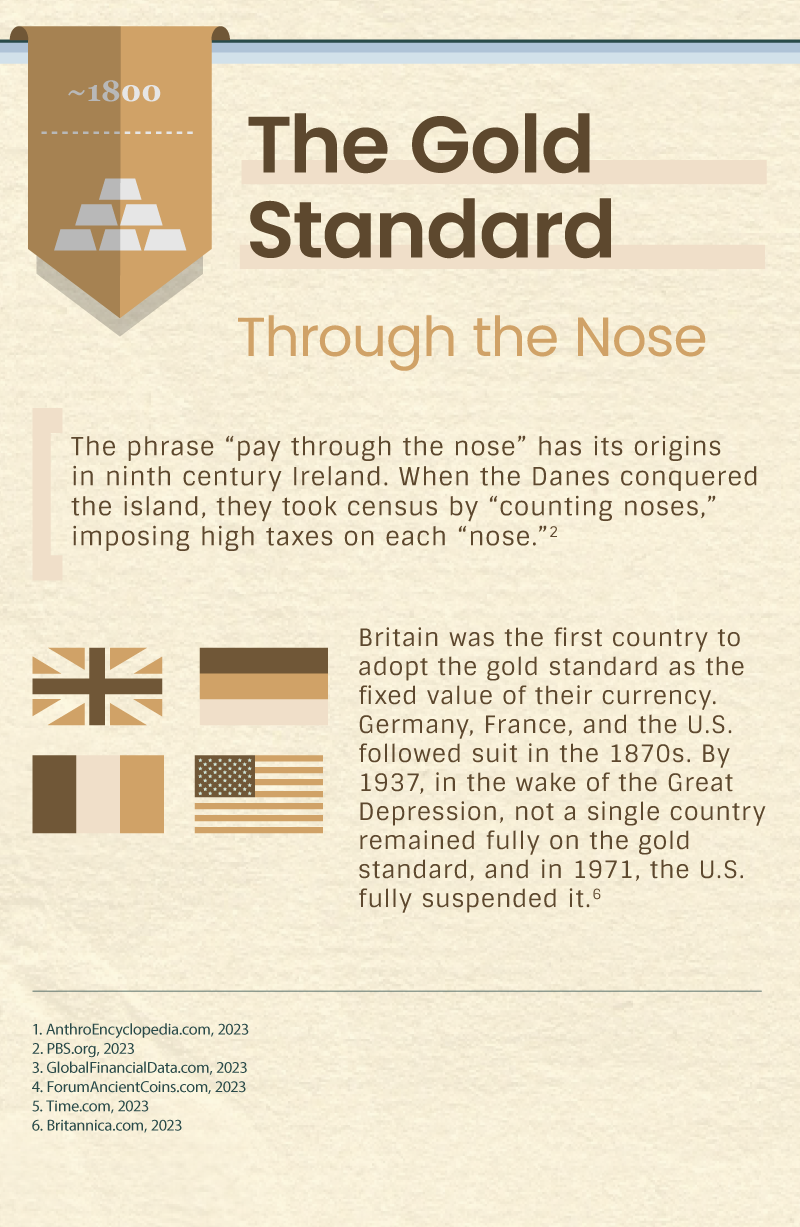
This is a History of Currency educational infographic with six sections on a beige background. The title reads: The History of Currency. A brief lesson on where currency has been and where it is going.This is a History of Currency educational infographic with six sections on a beige background. The title reads: The History of Currency. A brief lesson on where currency has been and where it is going.The first section, titled Livestock and Grain, covers the earliest use of currency around 9000 BC. It explains that, contrary to popular belief, bartering pre-dates other forms of currency, and is now seen as unlikely because it is extremely inefficient. Historically, bartering supplemented other forms of payment. With the rise of agriculture, animals such as cattle, sheep, camels, and sacks of grain were used as traditional stores of value. The text notes that cattle were called capitale in Latin, which is where the word capital comes from.The first section, titled Livestock and Grain, covers the earliest use of currency around 9000 BC. It explains that, contrary to popular belief, bartering pre-dates other forms of currency, and is now seen as unlikely because it is extremely inefficient. Historically, bartering supplemented other forms of payment. With the rise of agriculture, animals such as cattle, sheep, camels, and sacks of grain were used as traditional stores of value. The text notes that cattle were called capitale in Latin, which is where the word capital comes from.The second section, titled Cowrie Shells, highlights their first use as currency around 1300 BC. It states that cowrie shells are the small, colorful shells of a certain type of sea snail found in the Pacific and Indian Oceans. They were used as currency all over the world. Individually or strung on necklaces, they represented everything useful in a currency: small, divisible, and durable.The second section, titled Cowrie Shells, highlights their first use as currency around 1300 BC. It states that cowrie shells are the small, colorful shells of a certain type of sea snail found in the Pacific and Indian Oceans. They were used as currency all over the world. Individually or strung on necklaces, they represented everything useful in a currency: small, divisible, and durable.The third section, titled Coins, covers their first appearance between 700 and 600 BC. It notes that besides lumps of gold and silver in Turkey, the earliest coins took on shapes like knives and spades. The first coins were put into use in seventh-century Turkey. Not exactly round, they were small lumps of a gold and silver mixture called electrum, often with a pattern stamped on one side. Despite their irregular shapes, early coins were held to strict weight standards.The third section, titled Coins, covers their first appearance between 700 and 600 BC. It notes that besides lumps of gold and silver in Turkey, the earliest coins took on shapes like knives and spades. The first coins were put into use in seventh-century Turkey. Not exactly round, they were small lumps of a gold and silver mixture called electrum, often with a pattern stamped on one side. Despite their irregular shapes, early coins were held to strict weight standards.The fourth section, titled Paper Money, explains its introduction around 600 AD. It states that, in addition to the first paper money, China also invented the first banknotes, made of leather. These were one foot squares, decorated with patterns and a fringed border, and princes were required to purchase them at a price of 400,000 copper coins and to present gifts to the emperor on them. The Tang Dynasty of China was the first to put paper money into use, nearly 500 years before it caught on in Europe. However, early experiments caused problems: China went through a financial crisis when paper money production grew until its value bottomed out, causing massive inflation.The fourth section, titled Paper Money, explains its introduction around 600 AD. It states that, in addition to the first paper money, China also invented the first banknotes, made of leather. These were one foot squares, decorated with patterns and a fringed border, and princes were required to purchase them at a price of 400,000 copper coins and to present gifts to the emperor on them. The Tang Dynasty of China was the first to put paper money into use, nearly 500 years before it caught on in Europe. However, early experiments caused problems: China went through a financial crisis when paper money production grew until its value bottomed out, causing massive inflation.The fifth section, titled The Gold Standard, covers its first adoption around 1800. It notes that the phrase “pay through the nose” comes from ninth-century Ireland, where Danes took census by counting noses and imposing high taxes on each nose. Britain was the first country to adopt the gold standard as the fixed value of its currency. Germany, France, and the U.S. followed in the 1870s. By 1937, in the wake of the Great Depression, not a single country remained fully on the gold standard. In 1971, the U.S. fully suspended it.The fifth section, titled The Gold Standard, covers its first adoption around 1800. It notes that the phrase “pay through the nose” comes from ninth-century Ireland, where Danes took census by counting noses and imposing high taxes on each nose. Britain was the first country to adopt the gold standard as the fixed value of its currency. Germany, France, and the U.S. followed in the 1870s. By 1937, in the wake of the Great Depression, not a single country remained fully on the gold standard. In 1971, the U.S. fully suspended it.

Have A Question About This Topic?

Thank you! Oops!

Related Content

5 Benefits of Working in Retirement

5 Benefits of Working in Retirement

Here are 5 reasons why you may consider working through retirement.

Annuity Comparison

Annuity Comparison

This calculator compares a hypothetical fixed annuity with an account where the interest is taxed each year.

Preparation is the Key to Retirement

Preparation is the Key to Retirement

The simplest ideas can sometimes make a massive difference over time. Enjoy this brief video to learn more.

Contact

Office: 978.777.6554

Fax: 978.777.6560

150A Andover Street

Suite 2

Danvers, MA 01923

Series 6, 7, 24, 26, 63, 66

iba@ipswichfinancial.com

Quick Links

  • Retirement
  • Investment
  • Estate
  • Insurance
  • Tax
  • Money
  • Lifestyle
  • Latest Articles
  • All Videos
  • All Calculators

LPL Financial Form CRS

Check the background of your financial professional on FINRA's BrokerCheck.

The content is developed from sources believed to be providing accurate information. The information in this material is not intended as tax or legal advice. Please consult legal or tax professionals for specific information regarding your individual situation. Some of this material was developed and produced by FMG Suite to provide information on a topic that may be of interest. FMG Suite is not affiliated with the named representative, broker - dealer, state - or SEC - registered investment advisory firm. The opinions expressed and material provided are for general information, and should not be considered a solicitation for the purchase or sale of any security.

We take protecting your data and privacy very seriously. As of January 1, 2020 the California Consumer Privacy Act (CCPA) suggests the following link as an extra measure to safeguard your data: Do not sell my personal information.

Copyright 2026 FMG Suite.

Securities and advisory services offered through LPL Financial, a registered investment advisor. Member FINRA/SIPC.   

Ed Slott is not affiliated with LPL Financial and Ipswich Bay Advisors. Ed Slott’s Elite IRA Advisory Group™ is for investment services only. Ed Slott’s endorsement does not extend to the financial planning or investment advisory services offered by the representative. Ed Slott’s Elite IRA Advisor Group™ members pay a fee for the educational programs that allow them to be included in the Ed Slott’s Elite IRA Advisor Group™. Membership does not guarentee investment success.